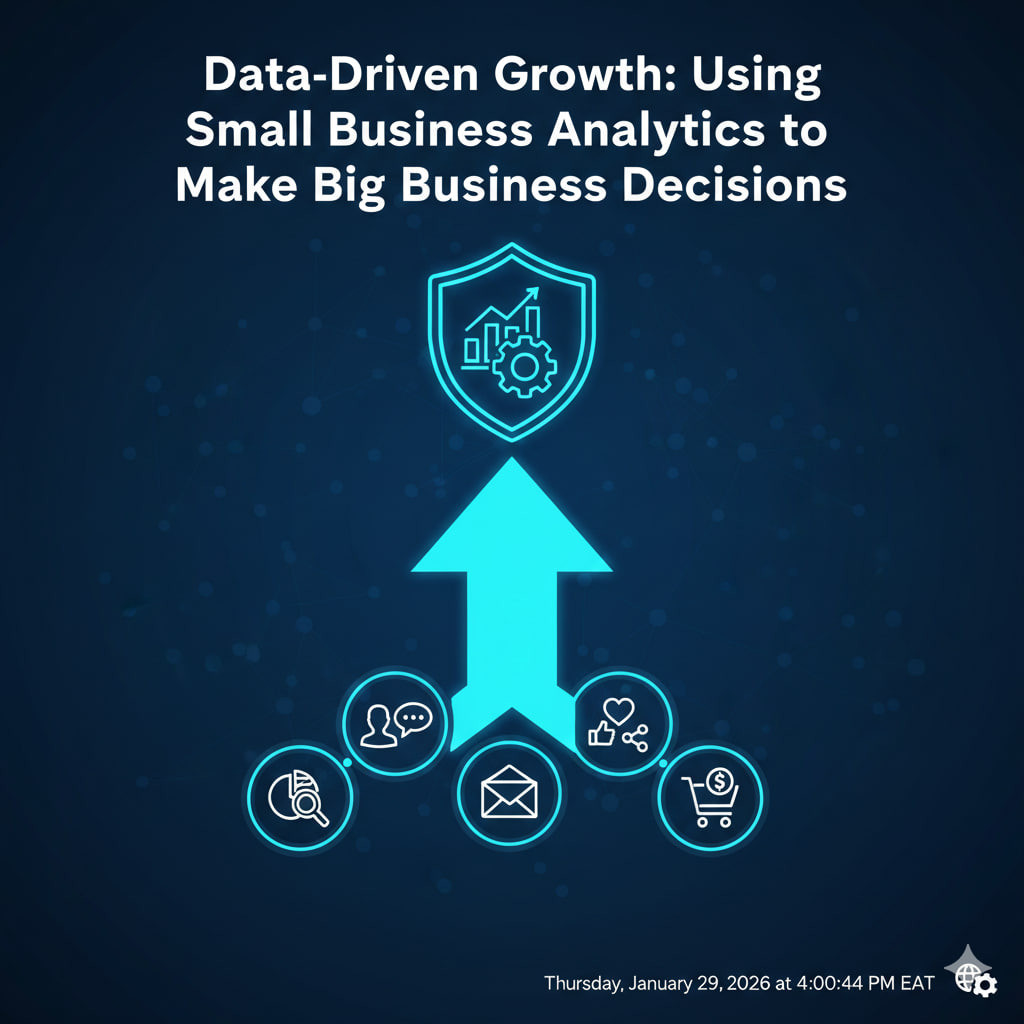
In 2026, the idea that “data is only for big corporations” is a relic of the past. Small businesses, solopreneurs, and startups now have access to powerful, user-friendly analytics tools that can transform gut feelings into actionable insights. This isn’t about drowning in spreadsheets; it’s about harnessing specific data points to make smart, strategic decisions that drive significant growth—the kind of decisions that typically propel “big businesses.”
The truth is, even with limited resources, a data-driven approach can be your most significant competitive advantage, allowing you to optimize everything from marketing spend to customer retention.
Why Data is No Longer Optional for Small Businesses
- Precision Targeting: In a crowded market, generic marketing campaigns waste precious resources. Data allows you to understand exactly who your ideal customer is and where to find them.
- Optimized Spending: Every dollar counts. Analytics help you identify what’s working (and what’s not) in your advertising, content, and sales efforts, ensuring a higher ROI.
- Proactive Problem Solving: Spot trends and potential issues before they escalate. Declining website traffic, rising customer churn, or a dip in conversion rates can be identified early.
- Personalized Customer Experiences: Understanding individual customer behavior allows you to tailor recommendations, communications, and offers, leading to increased loyalty and lifetime value.
- Strategic Foresight: Data isn’t just about looking backward. Predictive analytics, even at a basic level, can help you anticipate future demand, market shifts, and emerging opportunities.
The Lean Analytics Stack: Essential Tools for Every Small Business
You don’t need expensive enterprise software. A few core tools can provide immense value:
- Google Analytics 4 (GA4):
- What it tracks: Website traffic, user behavior (where they come from, what they click, how long they stay, conversion events).
- Why it’s critical: Your website is your digital storefront. GA4 reveals how customers interact with it, identifying popular content, conversion funnels, and areas of friction. It’s free and invaluable.
- CRM (Customer Relationship Management) Software (e.g., HubSpot CRM Free, Zoho CRM):
- What it tracks: Customer interactions, sales pipeline, lead status, purchase history, communication logs.
- Why it’s critical: Your customers are your lifeline. A CRM helps you understand your sales cycle, identify your most valuable customers, and personalize your outreach efforts.
- Social Media Analytics (Built-in to platforms like Facebook, Instagram, LinkedIn):
- What it tracks: Post reach, engagement rates, follower demographics, best performing content types.
- Why it’s critical: If social media is part of your marketing, these insights show you what content resonates with your audience and when they are most active.
- Email Marketing Analytics (e.g., MailerLite, Beehiiv, ConvertKit):
- What it tracks: Open rates, click-through rates, conversion rates from emails, unsubscribe rates.
- Why it’s critical: Your email list is a direct line to your audience. These metrics tell you how effective your communication is and help you refine your messaging.
- Payment Processing & E-commerce Platform Analytics (e.g., Shopify Analytics, Stripe Reports, Square Dashboard):
- What it tracks: Sales volume, average order value, popular products, revenue trends, customer acquisition costs, churn rates.
- Why it’s critical: Directly impacts your bottom line. These reports are essential for understanding product performance, pricing strategies, and overall financial health.
Making Big Decisions from Small Data: Actionable Examples
- Decision:Should I invest more in Facebook Ads or Google Search Ads?
- Data Insight: Compare conversion rates and customer acquisition costs (CAC) from GA4 for each channel. If Facebook Ads have a higher CAC and lower conversion, shift budget to Google Search.
- Decision:How can I reduce customer churn?
- Data Insight: Use your CRM to identify common characteristics of churned customers (e.g., didn’t use a specific feature, received less personalized follow-up). Address those gaps with targeted outreach or product improvements.
- Decision:What new product or service should I offer?
- Data Insight: Analyze popular product views in GA4 vs. actual purchases. If a product is viewed often but rarely bought, there might be a pricing or information gap. Use social media analytics to spot trending conversations or pain points your audience expresses.
- Decision:When is the best time to send my newsletter?
- Data Insight: Email marketing analytics show the highest open and click-through rates based on send time. Optimize your schedule accordingly.
Don’t let the term “analytics” intimidate you. Start with what’s readily available in your existing tools. By consistently monitoring key metrics and letting data guide your decisions, your small business can make big strategic moves,ensuring sustainable growth and long-term success in the competitive landscape of 2026.
Leave a Reply